With a winemaking tradition that dates back centuries, the Balkan country of Montenegro is beginning to capture the attention of wine aficionados globally. Montenegro's unique climate, diverse terrain, and commitment to tradition and quality are crafting a wine scene that's ripe for exploration. This piece delves into the heart of Montenegro's vineyards, uncovering the rich history, distinctive grape varieties, and the passionate winemakers propelling Montenegro onto the world stage.
With a winemaking tradition that dates back centuries, the Balkan country of Montenegro is beginning to capture the attention of wine aficionados globally. Montenegro's unique climate, diverse terrain, and commitment to tradition and quality are crafting a wine scene that's ripe for exploration. This piece delves into the heart of Montenegro's vineyards, uncovering the rich history, distinctive grape varieties, and the passionate winemakers propelling Montenegro onto the world stage.
A Tradition Rooted in History
Winemaking in Montenegro is a tradition steeped in history, with its roots extending back to the times when the Roman Empire cherished the region's wines. The country's varied microclimates and soils contribute to the production of a wide range of wine styles, from crisp, aromatic whites to robust, complex reds. Montenegro's commitment to viticulture is evident in its preservation of indigenous grape varieties, which add to the unique character and appeal of its wines.
Indigenous Grape Varieties: Vranac and Krstač
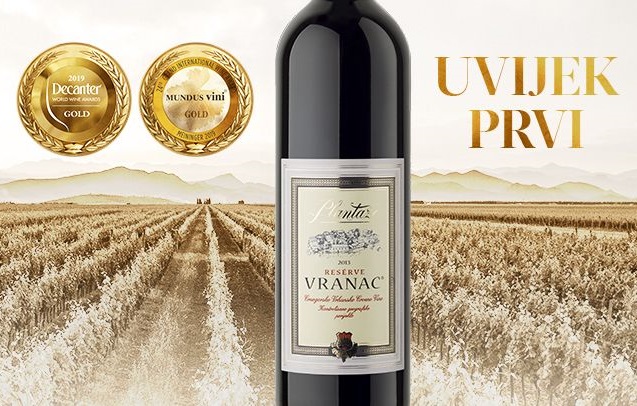
At the heart of Montenegro's wine identity are its indigenous grape varieties, Vranac and Krstač. Vranac, meaning "black stallion," is a testament to the strength and boldness of Montenegro's red wines. Known for its deep color, high tannins, and potential for aging, Vranac produces wines with flavors of dark fruits, chocolate, and spice. Krstač, on the other hand, is a white grape variety that yields fresh and aromatic wines, often with floral and citrus notes, showcasing the versatility of Montenegrin viticulture.
The Wine Regions: From Lake Skadar to the Adriatic Coast
Montenegro's wine regions offer a mosaic of terroirs, each contributing its unique signature to the wines produced. The region around Lake Skadar, with its Mediterranean climate, is renowned for its Vranac vineyards, benefiting from the lake's moderating influence. The coastal region, cooled by Adriatic breezes, is ideal for lighter, more aromatic varietals, including Krstač. The north, with its cooler, more continental climate, is exploring with international varieties, adding another layer to Montenegro's wine portfolio.
Wineries Leading the Charge
A new generation of Montenegrin winemakers is embracing both tradition and innovation, with a focus on quality and sustainability. Wineries such as Plantaze, one of the largest in the region, are leading the way in modernizing Montenegrin wine production while preserving the character of indigenous varietals. Smaller, boutique wineries are also making their mark, experimenting with organic practices and innovative techniques to express the unique terroir of their vineyards.
The Future of Montenegro's Wine Scene
Montenegro's wine scene is on the brink of international recognition, with its wines beginning to appear in markets and competitions around the world. The country's winemakers are committed to showcasing the potential of their indigenous grapes, aiming to place Montenegro firmly on the map as a destination for wine lovers seeking new experiences and flavors.